







Search Results for: bitter and scorched
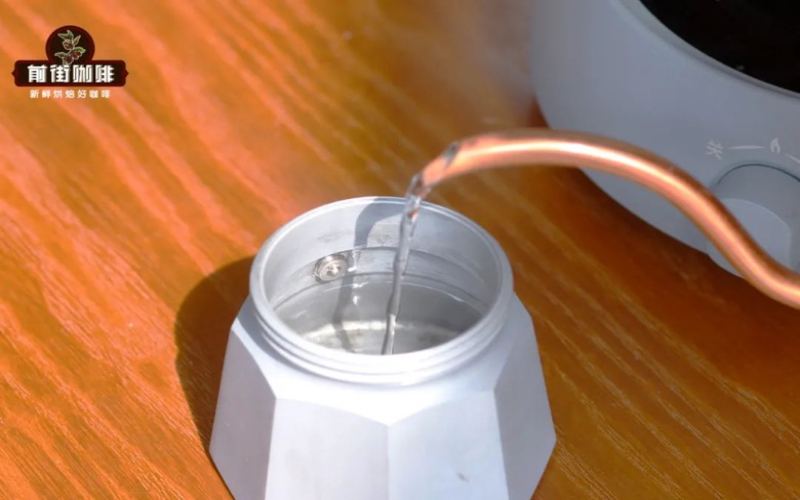
How to fix a scorched moka pot? Coffee bean grind size recommendations: First consider the scenario, then the flavor and roast.
When choosing coffee beans, start by considering your daily drinking scenarios: is it a cup of black coffee in the early morning, or a milk coffee to go with breakfast; is it a slow pour-over to savor, or a quick cup from a machine. Different scenarios call for different roast levels, flavor intensity, and brewing methods. The moka pot is a steam-pressure extraction device, [more…]
Analysis of the Causes of Burnt, Bitter, and Astringent Flavors in Pour-Over Coffee and Corresponding Adjustment Methods
Many coffee enthusiasts who brew pour-over at home often run into the problem of coffee tasting bitter or even showing burnt, astringent notes. This bitterness may come from the roast profile of the beans themselves, and it can also be closely tied to how long the beans have been stored, the grind size, the proportion of fines, and the brewing water temperature. Drawing on the hands-on experience of Front Street Coffee, this article analyzes four common causes of bitterness one by one and offers concrete, actionable adjustments—including how to choose beans based on flavor descriptions, how to judge the optimal flavor window, how to calibrate grind size, and how to troubleshoot water temperature issues—to help you pinpoint the problem more accurately and brew a smoother pour-over coffee. [more…]
What to Do If Coffee Is Too Bitter? A Side-by-Side Test Comparing the Effects and Mechanisms of Adding Sugar vs. Salt
The bitterness in coffee usually comes from two directions: first, over-extraction bitterness caused by too long an extraction time or too strong an extraction force; second, the burnt bitterness produced by too dark a roast. For people who cannot quite accept bitterness, how to improve the taste of a cup of coffee without wasting it becomes a practical issue. The traditional approach is to add sugar, while another unique way is to add salt. Starting from the sources of bitterness, this article will analyze the principles by which sugar and salt improve bitterness, and through actual brewing comparison experiments, see which method is more suitable for your cup of bitter coffee. The article also covers bean recommendations such as Front Street Blue Mountain No. 1 and Front Street Indonesian Mandheling for friends who pursue a rich, full-bodied, burnt-aroma taste, as well as the specific parameters and conclusions of an over-extraction experiment using Front Street PWN Golden Mandheling. [more…]
Pour Over for Dark Roasts: How to Avoid Bitter, Burnt, Undrinkable Coffee — Brewing Tips for Medium-Dark Mandheling, Blue Mountain, and Brazilian Beans
Deeply roasted coffee beans are characterized by a dark chocolate-like bitterness, while also delivering a rich mouthfeel and traditional caramel aroma. However, these beans also tend to release an unpleasant bitterness during brewing. This article approaches the issue from three angles—water temperature adjustment, coffee bed state, and coffee-to-water ratio—and, by combining the flavor characteristics of three representative beans—Front Street Coffee PWN Golden Mandheling, Front Street Coffee Jamaican Blue Mountain, and Front Street Coffee Brazil Queen Estate—analyzes how to avoid negative flavors such as burnt bitterness and woody notes, while preserving caramel sweetness and a clean finish, helping enthusiasts brew the rich body and sweetness that deeply roasted beans should have. [more…]
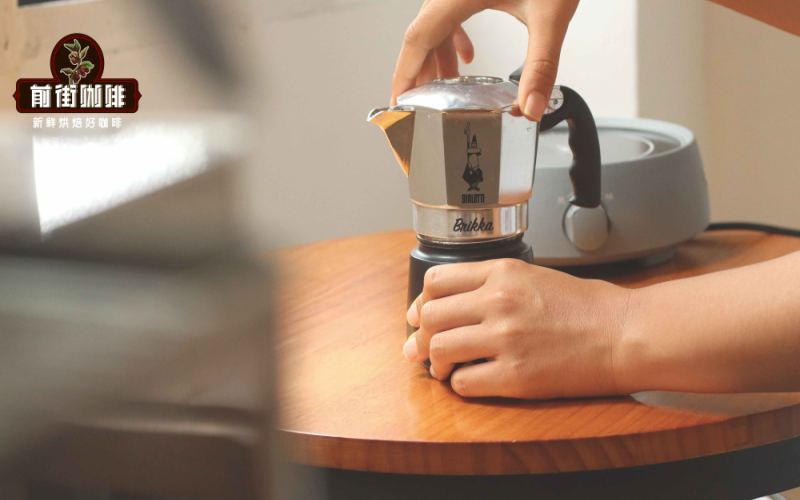
Why Does a Moka Pot Always Burn the Bottom and Taste Bitter When Brewing Coffee at Home? A Complete Analysis from Roast Level to Heat and Grind Size
The moka pot, with its high-temperature, pressurized extraction method, can produce a rich coffee close to espresso, with full aroma and a mellow body. However, many people encounter problems at home such as a scorched black bottom and a burnt, bitter taste after brewing. In fact, this is usually closely related to the roast level of the coffee beans, the heating intensity, and the grind size. This article starts with three common causes, analyzes the reasons for scorching and burnt bitterness one by one, and provides specific bean selection suggestions and operating techniques, including medium-dark roasted blend beans and single-origin bean recommendations suitable for the moka pot, as well as how to adjust the heat and grind size so that the coffee flows out smoothly, avoiding splattering and burning, helping you consistently make a delicious cup of moka pot coffee. [more…]
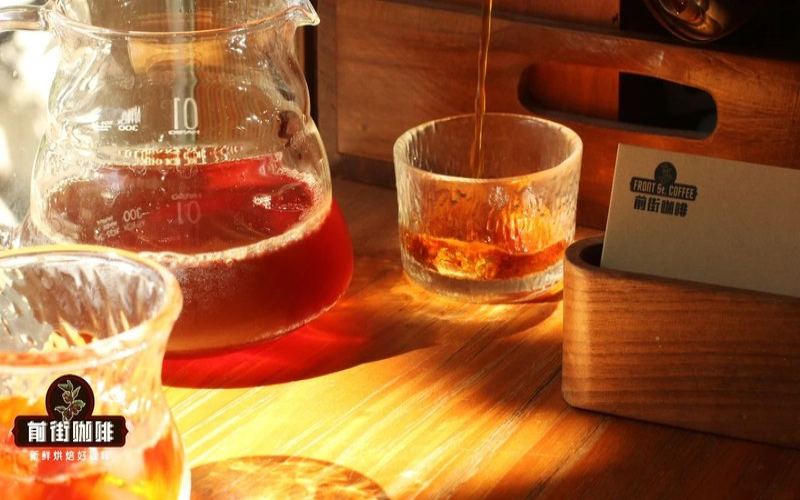
Choosing Dark Roast Beans by Roast Level: A Bean Selection Approach from Black Coffee to Milk Coffee
The charm of dark roast beans lies in their aroma shifting from floral and fruity notes to cocoa, roasted, nutty, and caramelized sweetness, with a cup that is usually deeper and more grounded, and a texture that feels more substantial. It suits the moment in the early morning when you need a hearty cup of black coffee, and it also works well with milk to make a latte. If you do not particularly care for pronounced acidity, dark roast will be an easy one to grow fond of. [more…]
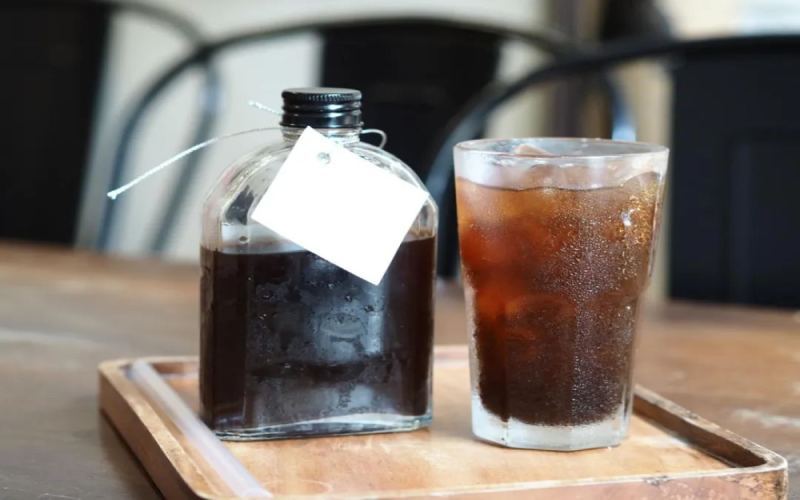
Laser Pulse Technology Boosts Cold Brew Coffee: A New Scientific Breakthrough Achieving Extraction in Three Minutes
On a scorching summer day, a refreshing glass of cold brew coffee is a favorite for many coffee lovers, but traditional cold brewing often requires a wait of 12 hours or more, which puts people off. Now, a chemistry research team at the University of Duisburg-Essen in Germany has brought an exciting discovery: by irradiating a mixture of coffee grounds and water with pulsed laser light, cold brew coffee can be made in just 3 minutes. This technique not only greatly shortens the extraction time, but also shows unique performance in acidity and caffeine content. This article will guide you through the principles of this scientific breakthrough, the results of experimental comparisons, and the possibilities for future commercialization, while also retaining relevant recommendations for the Front Street Coffee brand. [more…]

Cold Brew Coffee Essentials: Cold Brew vs. Ice Drip and the Science Behind the 8-Hour Extraction Time
Although the Start of Autumn has already passed, the heat in Guangdong shows no sign of letting up. The scorching 37°C weather still leaves people craving a refreshing, rich glass of cold brew coffee. But do you know what the key points are in making cold brew coffee? What exactly is the difference between cold brew and ice drip? Why does the extraction time have to be precisely 8 hours? This article will systematically lay out the complete knowledge of cold brew coffee from the perspectives of brewing principles, equipment selection, and extraction parameters, and compare the flavor differences between the two mainstream methods—cold brew and ice drip. At the same time, combined with Front Street Coffee's recommended products, it will help you make a more professional and better-tasting cold brew coffee this summer. [more…]
Indonesian Mandheling Dark Roast Pour-Over Techniques: Golden Mandheling Brewing Parameters and Flavor Enhancement Methods
Mandheling coffee is known for its rich, full-bodied flavor, but its dark roast profile also makes it prone to brewing bitter. This article focuses on Front Street Golden Mandheling, systematically laying out a brewing approach that avoids burnt bitterness and highlights caramel, chocolate, and herbal sweetness—covering everything from getting to know the bean variety, the principles of wet-hulling, to equipment selection, coffee-to-water ratio, grind size, water temperature, and the three-pour technique. It also compares the differences between Front Street's Lindong, Tiger, and Aged Mandheling to help coffee lovers make a choice based on their flavor preferences. [more…]
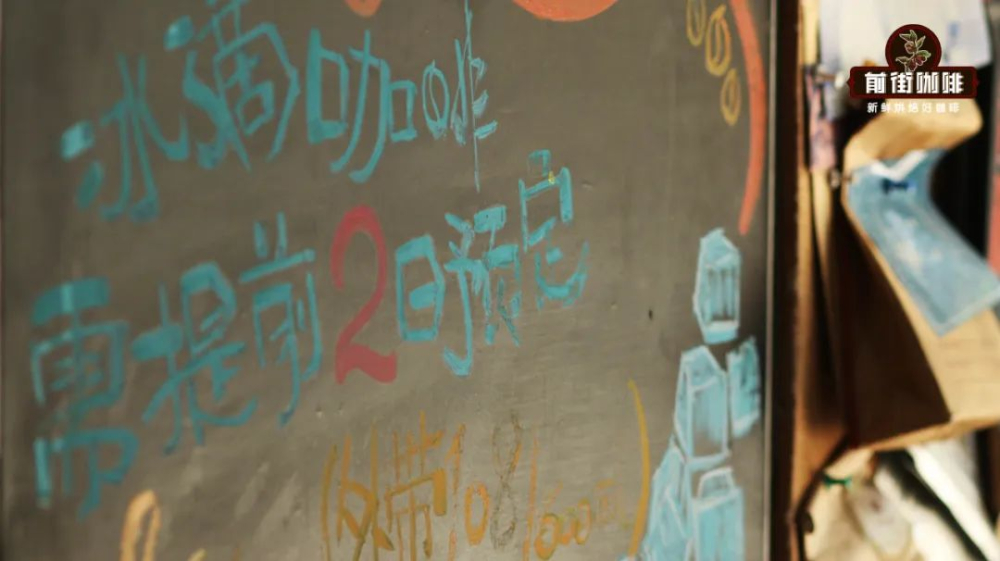
Yirgacheffe Cold Drip Coffee | What is the extraction principle of cold brew coffee? How to make cold drip coffee with washed Yirgacheffe?
Still in the scorching summer of Guangdong, everyone is crazy about iced coffee. Even the cold brew coffee at Front Street Coffee's stores has been "swept clean." Many friends ask Front Street Coffee whether they can make cold brew coffee at home and how to do it. Next, Front Street Coffee will have a good chat about how to make a delicious cup of cold brew coffee. What is the principle of cold brew coffee? In understanding [more…]
How to Deal with Excessive Fines in Pour-Over Coffee? A Full Analysis of Flat Burr, Ghost Tooth, and Conical Burr Grinder Burr Characteristics
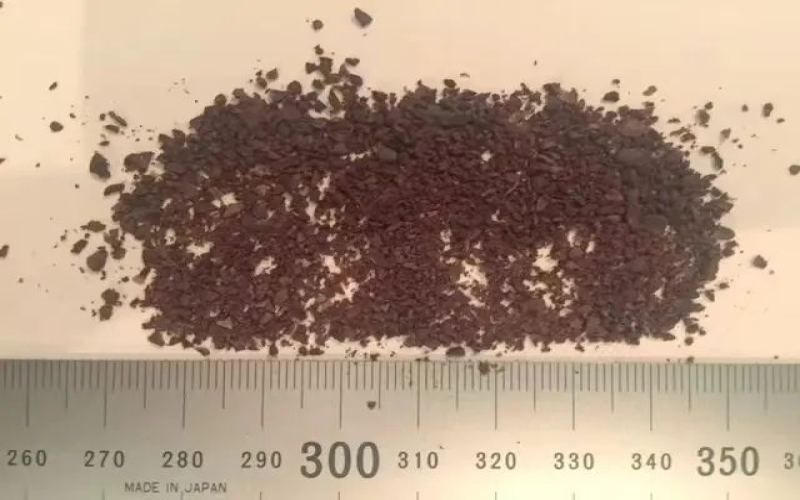
The production of fines when grinding coffee beans is a normal phenomenon. A moderate amount of fines contributes positively to flavor; what truly causes trouble is excessive fines. Front Street Coffee has noticed that many coffee enthusiasts feel a sense of dread at the mere mention of fines, mostly because they have been tormented by clogged beds that won't drain, scorched bitterness, and astringency. This article first defines what particle size counts as fines, then explains the relationship between the causes of fines and the type of burr set, with a focus on comparing the differences among flat burrs, ghost-tooth burrs, and conical burrs in terms of grind uniformity and fines ratio. Finally, it offers two practical solutions: sifting out fines and adjusting brewing technique, along with rescue strategies for the common situation of abundant fines accompanied by coarse grounds that are also too coarse. [more…]
Cold Brew Coffee Bean Selection Guide and Complete Home Brewing Analysis: Practical Tips from Bean Selection to Extraction
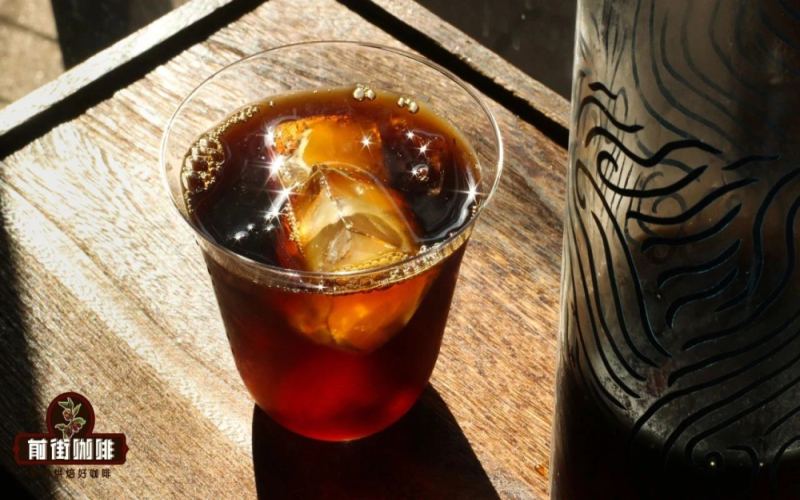
On a scorching summer day, do you want to drink a refreshing iced coffee but don't want to go out? Making cold brew at home is actually not complicated. The biggest difference between cold brew and regular iced coffee lies in the low-temperature, long-time extraction, which makes the coffee taste softer, with balanced acidity and sweetness, and can clearly showcase the regional flavors of specialty beans. This article will start from the extraction principles of cold brew, tell you why medium-light roasted single-origin beans are more suitable for cold brew, and recommend three best-selling Front Street Coffee beans: Washed Yirgacheffe, Strawberry Candy Geisha Blend, and Natural Hualkui. Then it will break down key parameters such as coffee-to-water ratio, grind size, and steeping time in detail, and include the complete steps for Front Street Coffee Hualkui cold brew, helping you easily make a cup of full-flavored homemade cold brew. [more…]
What Is the Maillard Reaction in Coffee Roasting? Stage-by-Stage Changes from Start to Finish and the Flavor Formation Mechanism
More and more coffee shops are choosing to place roasters at their entrances and roast beans themselves, which allows them to control costs while also ensuring quality. Walking down the street, one can often smell the blended aromas released by roasting coffee beans—the greenish-blue smoky scorched scent of burning plant fibers, the creamy yellowish-white sweetness, and the brownish bread-like aroma of toast, all interwoven together. A large part of the source of these rich aromas is thanks to the Maillard reaction during roasting. The Maillard reaction is a series of reactions that occur when amino acids and reducing sugars in food are heated, and it can broadly be divided into three stages: the initial stage, the intermediate stage, and the final stage. During the process, various aromatic substances and pigments are produced, playing a key role in the layers and changes of coffee's final flavor. This article will sort out the stage divisions of the Maillard reaction, its chemical pathways, and its significance for coffee flavor. [more…]
Easy Iced Coffee Recipe | Can Cold Brew Coffee Be Made with Drip Coffee Bags? What to Watch Out for When Making Hand-Pour Iced Coffee with Drip Coffee Bags?
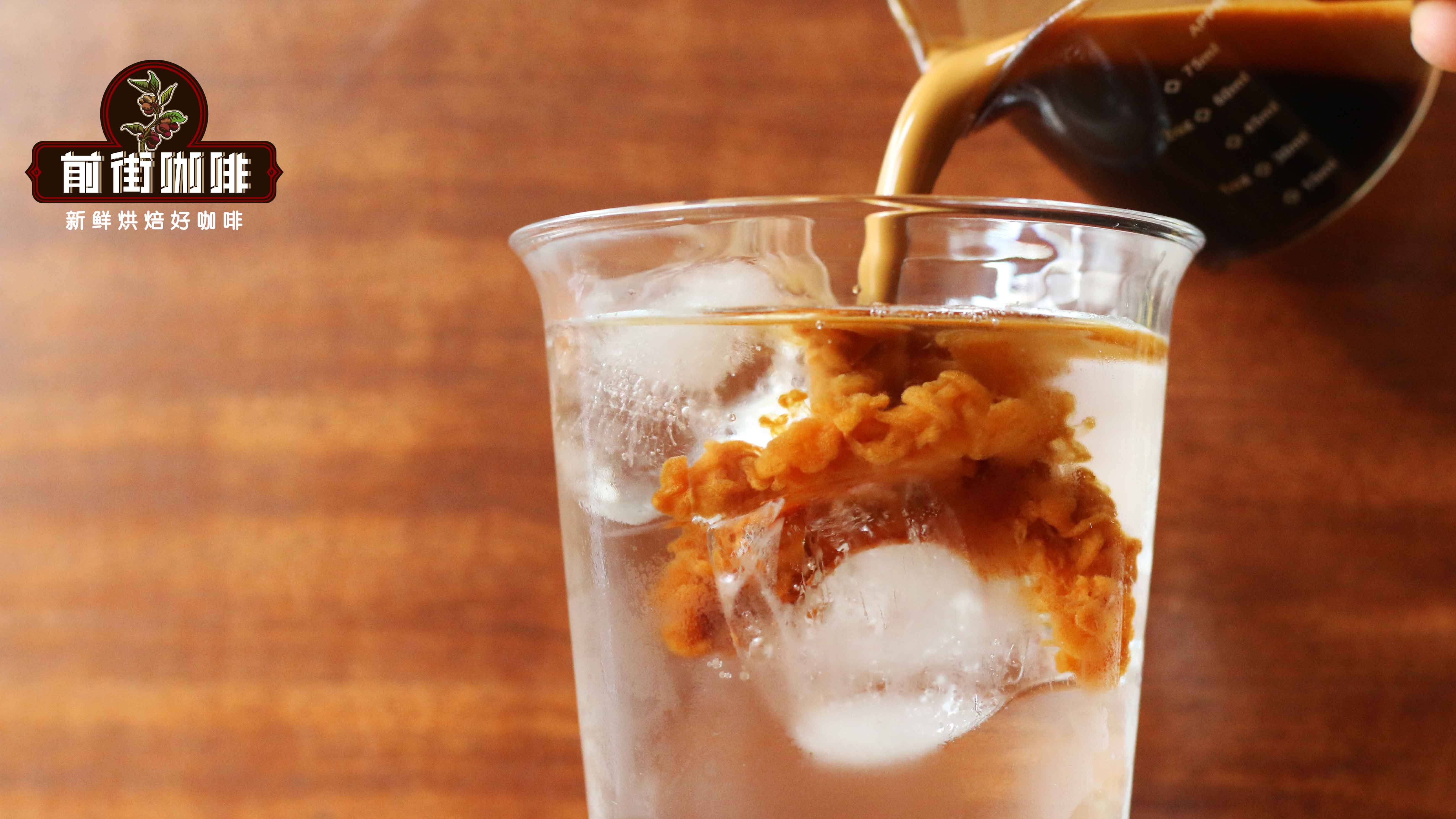
For more specialty coffee knowledge, please follow: Front Street Coffee (Frontsteet Coffee) Scorching summer days, summer days scorching. For coffee lovers, the ritual sense of midsummer often originates from a refreshing cup of iced coffee, so recently Front Street has been sharing various iced coffee recipes, even [more…]
Cold Brew Coffee Low-Temperature Extraction Principle Explained: Home Brewing Steps and Four Front Street Coffee Fruity Coffee Bean Recommendations
On a scorching summer day, a glass of cold brew coffee always brings a refreshing, fruity experience. Cold brew coffee uses ice water to drip evenly; after 6 to 8 hours of low-temperature extraction and then overnight refrigeration and fermentation, it ultimately presents a unique flavor that is sweet and mellow with only a faint bitterness. Starting from the scientific principles of low-temperature extraction, this article will break down in detail the process of making cold brew coffee, including key steps such as equipment selection, coffee bean pairing, grind size control, drip rate and coffee-to-water ratio settings, and recommend four Front Street Coffee beans suitable for making cold brew—Huakui, Kenya Little Tomato, Xizhao, and Huahudie—to help you make a cup of outstanding fruity cold brew at home. [more…]
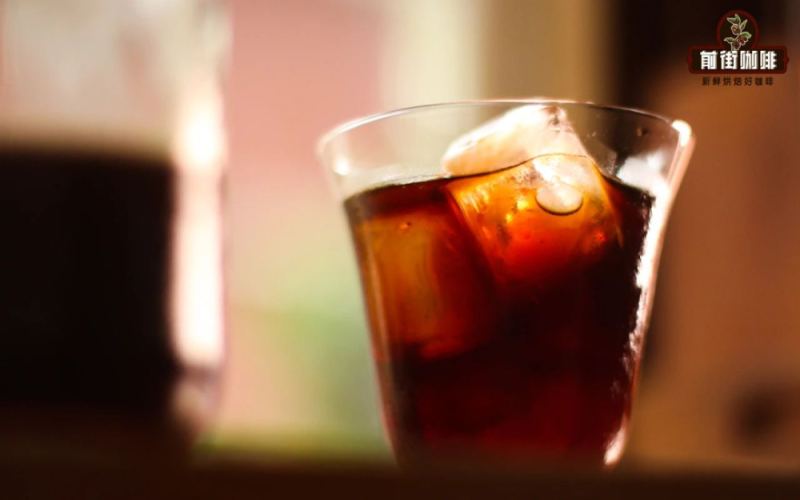
A Comprehensive Comparison of Cold Brew and Hot Brew Coffee: A Complete Guide from Extraction Principles to Summer Iced Drinks
When the scorching summer arrives, a glass of iced coffee often becomes the favorite of many. However, what exactly are the differences in flavor expression between cold brew coffee and iced pour-over, which is extracted at high temperature and then cooled down? This article will start with the historical origins of cold brew coffee, deeply compare the essential differences in extraction mechanisms between low-temperature slow extraction and high-temperature pour-over, and share the practical experience summarized by Front Street Coffee in making cold brew—including the direction for selecting coffee beans, reference ranges for grind size and coffee-to-water ratio, control of steeping time, and key points for storage. Whether you are a beginner who has just encountered cold brew or an enthusiast hoping to refine your skills, you can find content worth referencing here. [more…]
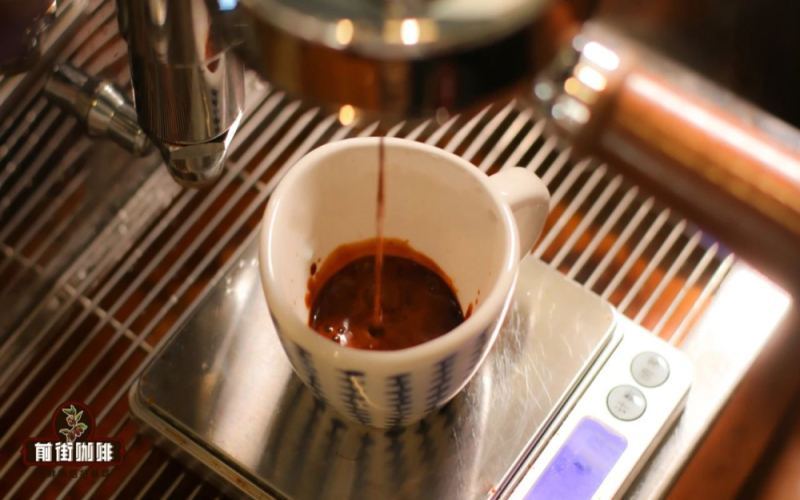
Where Does the Dark Chocolate Flavor in Espresso Come From? A Detailed Guide to Espresso's Taste Characteristics and Brewing Process
Espresso originates from the Italian word "Express," meaning fast—it can complete extraction within tens of seconds and is one of the core offerings of modern coffee shops. From the birth of the espresso machine at the end of the 19th century to Gaggia's introduction of the spring piston pressure system in the mid-20th century, which made golden Crema appear on the coffee surface for the first time, the craft of making Espresso has continuously evolved. An ideal shot of espresso should be rich without being scorched or bitter, full-bodied and substantial, with a clear sweet aftertaste, covered by a delicate and smooth golden crema. This article will comprehensively organize the knowledge system of espresso from its historical context, flavor standards, and coffee bean selection to specific preparation steps, and use Front Street Coffee's blend beans as an example to demonstrate the production process for espresso and Americano. [more…]
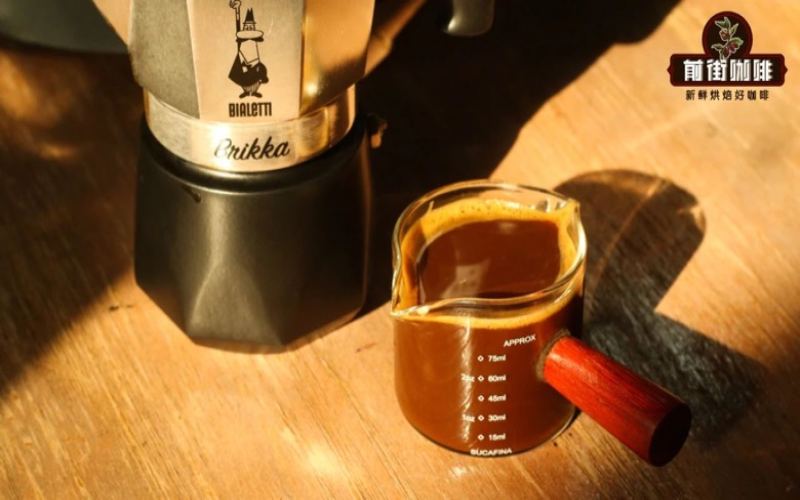
Moka Pot Bean Pitfall Guide: Where Do Sourness, Bitterness, Burnt and Muddy Flavors Come From?
Most people who brew with a moka pot have experienced that one cup of coffee that just "tastes off." You can't quite call it bad, but a sharp sourness, burnt bitterness, or astringent, muddled flavor lingers on your tongue and won't go away. Many people assume the heat wasn't controlled properly, but the problem usually lies with the beans. The moka pot's high-temperature extraction is quite sensitive to flaws in the beans, so choosing [more…]
The Complete Moka Pot Guide: From How It Works to Brewing Steps, Pros and Cons, and Bean Selection Tips All in One Place
The moka pot is one of the first pieces of equipment many coffee enthusiasts encounter when getting started. It has a simple structure and an affordable price, yet it can brew a coffee liquid with a concentration close to that of espresso. This article will begin with the moka pot's three-part construction and working principle, compare the differences between single-valve and double-valve models, analyze how it differs from a standard espresso machine in terms of pressure and flavor, and break down in detail the complete operating process from adding water and distributing the grounds to heating and extraction. It will also explain the moka pot's advantages and disadvantages, the roast level of coffee beans best suited to it, and the recommended choices from the Front Street Coffee espresso bean series. [more…]

A Detailed Guide to the Differences Between Ice Drip and Cold Brew Coffee: Ice Drip Coffee Bean Recommendations, Coffee-to-Water Ratio, and Grind Size Guide
In the scorching summer heat, iced coffee becomes a lifesaver for many. But did you know? Cold brew coffee actually encompasses three distinctly different methods: ice drip, iced, and cold brew immersion. Their flavor profiles, brewing principles, and suitable occasions vary greatly. This article will provide an in-depth analysis of the differences between ice drip coffee and cold brew coffee, and detail Front Street Coffee's ice drip brewing parameters—including 60 grams of coffee grounds, a 1:10 coffee-to-water ratio, a grind size with 85% passing through a China standard No. 20 sieve, and an extraction time of 6 to 8 hours. It will also share methods for making iced Americano and cold brew immersion coffee, and recommend several coffee beans suitable for ice drip, including Front Street Mozart, Front Street Kenya Little Tomato, and Front Street PWN Golden Mandheling, to help you find the summer iced coffee solution that best suits your taste. [more…]